
CBD (cannabidiol) owes most of its therapeutic benefits to its ability to interact with the endocannabinoid system. The primary role of this system is to act concretely by balancing and regulating a wide range of physiological and cognitive processes, including homeostasis, metabolism, inflammation, pain perception, mood, and memory.
Everyone has an endocannabinoid system (ECS). We even produce specialized messenger molecules designed to work with it, known as endocannabinoids.
The endocannabinoid system is distributed throughout the body. It is a neurotransmission system whose mediators are endocannabinoids (e.g., anandamide or AEA, and 2-arachidonoylglycerol or 2-AG), lipids derived from arachidonic acid. These compounds are capable of activating specific cannabinoid receptors—type 1 (CB1) and type 2 (CB2)—thereby regulating various physiological functions, including metabolism, food intake, and inflammatory processes. The endocannabinoid system also includes enzymes responsible for the synthesis and metabolism of endocannabinoids, such as fatty acid amide hydrolase (FAAH) and monoacylglycerol lipase (MAGL).
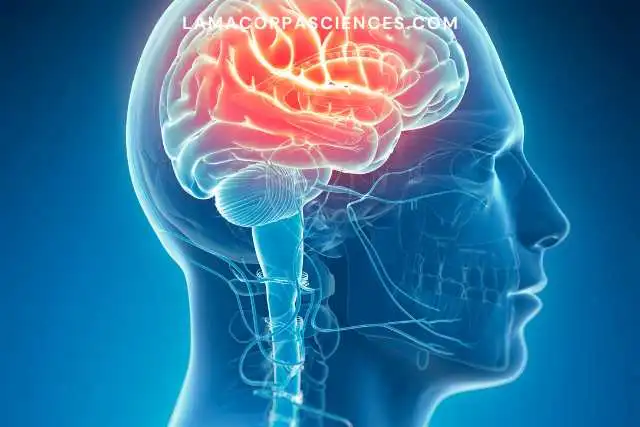
Endocannabinoid receptors are found on virtually all organs (to varying degrees) but are most abundant in the central nervous system (the brain and spinal cord) and in the immune system.
Within these systems, endocannabinoid receptors play a fundamental role in regulating nervous system activity (which is why CBD is so useful for conditions such as anxiety and stress). They are also an exceptionally important component of the immune system, making CBD beneficial for reducing inflammation and supporting autoimmune conditions.
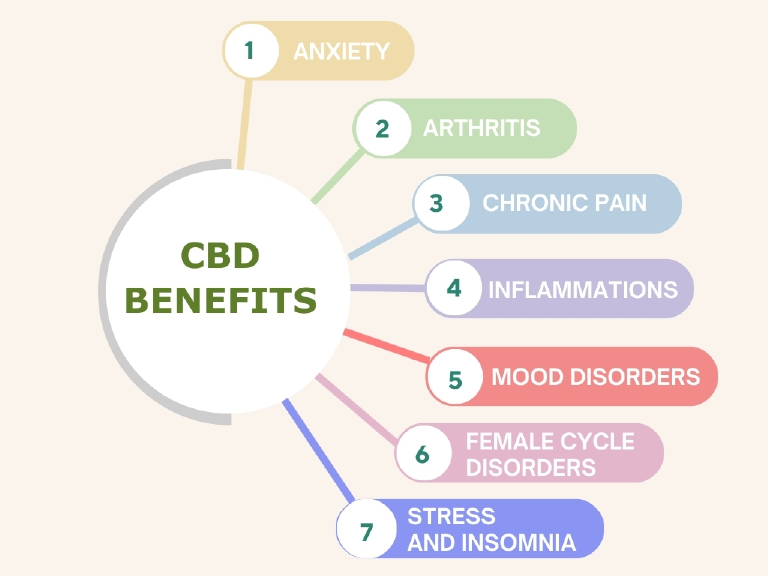
CBD is a very powerful molecule that international scientific research has shown to be useful in providing effective support for a wide range of conditions and symptoms, such as:
Stress, sleep disorders, mood disorders, chronic pain, inflammation, arthritis, anxiety, rheumatism, and female cycle-related disorders.
1. CBD increases endocannabinoid levels (FAAH inhibition)
CBD inhibits an enzyme known as FAAH (Fatty Acid Amide Hydrolase). This enzyme is responsible for breaking down endocannabinoids within cells.
This is the primary mechanism through which CBD promotes homeostasis. It is the reason CBD is believed to provide a “balancing effect,” rather than forcing a bodily response in one direction or another.
2. CBD activates vanilloid pain receptors
When vanilloid pain receptors are activated, the result is a blockage of pain signals to the brain.
Vanilloid receptors have many responsibilities in the human body, including the regulation of pain transmission, inflammation, and body temperature.
CBD directly activates TRPV1 vanilloid receptors, reducing the intensity of pain signals sent to the brain and significantly decreasing inflammation throughout the body.
3. CBD increases GABA activity
GABA (gamma-aminobutyric acid) is our primary relaxing neurotransmitter. It acts on the nervous system like a brake pedal. When we start to go too fast (and become mentally overstimulated), GABA steps in to slow us down.
GABA is essential for sleep hygiene because it prepares the mind to fall asleep at night.
This neurotransmitter is also immediately necessary after stress. It is what reverses the stress response by slowing heart rate, lowering blood pressure, and allowing us to relax and recover.
CBD is an allosteric modulator of GABA. This scientific term means that CBD does not directly activate the receptor; instead, it facilitates the binding of GABA to its receptors.
The result is an increased sense of relaxation and a reduction in symptoms of cerebral overstimulation (anxiety, insomnia, PTSD, etc.).
Within these macro areas, several scientific studies confirm the broad effectiveness of CBD in supporting:
✅Stress
✅Sleep disorders
✅Pain
✅Inflammation
✅Arthritis
✅Fibromyalgia
✅Anxiety
✅Rheumatism
✅Premenstrual syndrome (female cycle-related disorders
The effects of CBD on stress include:
✔️ Improvement of hypothalamic function
✔️ Protection of the body from oxidative damage
✔️ Promotion of the “rest and digest” response
As we know, stress originates in the hypothalamus in the brain, which then triggers the release of a hormone called cortisol. This hormone signals the rest of the body to prepare for battle.
A logical place to intervene to stop or slow the stress response is therefore the hypothalamus.
On the surface of this specialized region of the brain, there are receptors that monitor cortisol levels in the blood. Normally, when there is a surge of cortisol in the bloodstream, these receptors respond by signaling the adrenal glands to stop producing stress hormones.
When we are chronically stressed, the hypothalamus becomes less sensitive to cortisol, meaning that much higher levels of cortisol are required to trigger the same response. This actually causes us to remain stressed for extended periods of time.
CBD strengthens the hypothalamus’s ability to detect cortisol, activating the “shut-off valve” much earlier and preventing stress from persisting for too long.
One of the main ways stress causes so much damage is through a process known as oxidative damage.
The increase in sugars and metabolic activity caused by stress can lead to an accumulation of free radicals, which can damage tissues throughout the body.
Normally, this mechanism is halted when we enter a relaxed “rest and digest” state. However, when we remain stressed for long periods, these free radicals persist.
CBD oil is rich in antioxidant compounds that help neutralize free radicals and protect the body from their harmful effects.
When we are stressed, cortisol allows norepinephrine to take control of the brain. This leads to the involvement of other stimulating neurotransmitters such as dopamine, serotonin, and glutamate.
The result is a fight-or-flight state in which brain activity increases dramatically.
The opposing force to this system is another neurotransmitter called GABA.
We need GABA to act like the brain’s brake pedal, telling it to slow down and relax. It is one of the main neurotransmitters involved in the “rest and digest” nervous system and holds the key to reducing the stress response.
Many of the most effective anti-anxiety medications work by stimulating GABA activity in the brain, essentially slowing us down and helping us relax.
In recent animal studies, mice were given a substance that blocked GABA, inducing hyperactive seizures.
CBD was shown to completely inhibit these effects, suggesting its ability to regulate GABA and promote relaxation, even during direct chemical exposure to GABA-inhibiting drugs.
Terpenes found in the hemp plant have also been shown to stimulate GABA activity, such as borneol and limonene.

Sleep is an essential component of optimal health and cognitive function.
Numerous studies have been conducted on the effects of sleep deprivation on university students, medical students, and even emergency room workers.
As you probably already know, even a single sleepless night is enough to feel the consequences.
The American Academy of Sleep Medicine (AASM) and the Sleep Research Society (SRS) agree that adults should get at least 7 hours of sleep per night.
Even short-term insomnia can cause changes in metabolism, epigenetic alterations, and cardiovascular problems.
The brain produces neurotransmitters called endocannabinoids that help regulate sleep. CBD influences the endocannabinoid system to help us sleep well at night.
A 2016 study on CBD demonstrated its effectiveness in reducing insomnia in children suffering from post-traumatic stress disorder.
Thanks to its calming and pain-relieving properties, CBD can help treat symptoms associated with sleep disorders. CBD has been shown to be very useful in regulating the sleep–wake cycle due to its anxiolytic, anti-inflammatory, and antidepressant effects.
1. It may relieve insomnia
CBD is well known for its sedative effect when taken at higher doses. For this reason, CBD can be helpful in improving sleep quality.
2. It may reduce anxiety
Stress caused by anxiety can lead to frequent nighttime awakenings. CBD may help the body better cope with stress.
3. It may improve sleep quality
Scientific research has positively evaluated the benefits of CBD for people with REM sleep behavior disorder—a condition that causes individuals to move during the REM phase—and for those who suffer from daytime sleepiness. CBD may help us sleep longer and without frequent awakenings.
Response to CBD can vary significantly from person to person, so some trial and adjustment may be necessary to find the most suitable dosage for each individual.
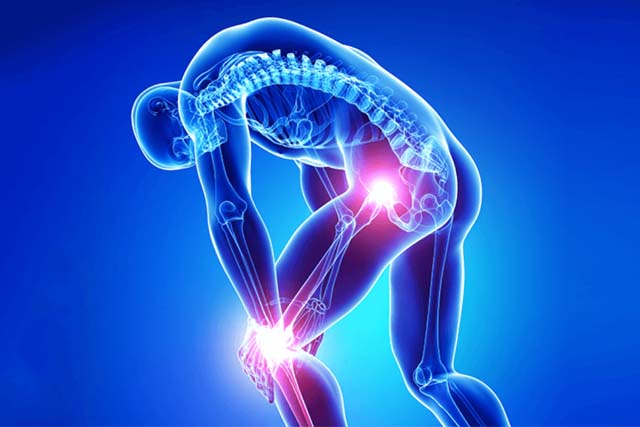
Chronic pain is a debilitating problem for millions of people worldwide. Even with significant advances in pain-relief medications, it can be difficult to effectively manage pain without relying on drugs that cause dependence and adverse reactions.
Over the past two years, CBD and other cannabis extracts have shown impressive results in pain management, without significant side effects.
The human body is designed to respond to danger through many intelligent mechanisms. Pain is a vital response—it alerts the brain when damage occurs and encourages avoidance of the cause to prevent further harm.
Unfortunately, once an injury occurs, pain can persist for weeks or even months. At that point, pain is no longer useful and can instead cause a serious decline in quality of life.
CBD may help relieve pain in several ways:
✅ It may help block pain transmission in the spinal cord and brain—via vanilloid and opioid pain receptors
✅ It may help reduce inflammation—one of the primary causes of pain in the human body
✅ It may help alleviate pain-related side effects—including insomnia, depression, and anxiety
✅ It may help reduce the underlying causes of arthritis pain—one of the most common sources of pain
There are several causes of chronic pain—the main one being inflammation.
Inflammation is a complex chemical reaction in the human body whose function is to optimize recovery from organ or tissue damage and to help eliminate infectious or harmful invaders. Sometimes, inflammation can become self-perpetuating.
In such cases, inflammatory processes damage tissue, which in turn triggers more inflammation—creating a vicious cycle.
This can lead to chronic pain lasting for years.
A 2008 article examined the effects of CBD and THC on chronic pain that did not respond to other medications.
The researchers concluded that CBD was an excellent tool for managing chronic pain, without side effects.
There are two main types of arthritis: osteoarthritis and rheumatoid arthritis.
Although they arise from different underlying causes, both result in chronic pain, ranging from mild and intermittent to severe and debilitating.
CBD may reduce pain associated with both forms of arthritis by blocking the inflammatory processes that cause the condition and through its analgesic effects acting on the spinal cord and brain.
For better results, it may also be helpful to use CBD-infused topical creams to relieve muscle and joint pain directly on the affected area.
CBD appears to be an excellent option for people suffering from pain due to various causes.
It may be particularly useful for pain driven by inflammation, but it can also help with general pain.
CBD may work at virtually every stage of pain transmission: directly at the site of injury, in the dorsal horn where opioid receptors are located, and in the brain at opioid and vanilloid receptors.
Most research on CBD for pain management suggests a dose-dependent effect, meaning that the higher the dose, the greater the inhibition of pain sensation.

Approximately 2% of the population is diagnosed with fibromyalgia.
There is no definitive cure for fibromyalgia, and the effectiveness of most therapies varies from person to person.
Some recent studies—mainly preclinical studies, clinical trials, or observational research—have shown that cannabinoids extracted from the hemp plant may help treat fibromyalgia. Although many of the results have been promising, further studies are needed to draw definitive conclusions.
That said, many people have experienced significant benefits from using CBD for fibromyalgia.
Let’s take a closer look at fibromyalgia and explain how CBD interacts with the body. We will also understand why CBD is so popular among people affected by fibromyalgia.
—
Cannabinoids are chemical compounds found in the cannabis plant, and they interact with the endocannabinoid system, which helps regulate various processes in the human body. Many of these processes are believed to be involved in the symptoms of fibromyalgia.
There are two main classes of cannabinoids:
1. Phytocannabinoids – found in plants
2. Endocannabinoids – found in the human body
Among these compounds, the two most studied are tetrahydrocannabinol (THC – tetrahidrocannabidiolo) and cannabidiol (CBD). Both substances interact with the body’s endocannabinoid system (ECS), but they produce very different effects.
The ECS regulates the central nervous system (CNS). Since pain signals are transmitted from one neuron to another, scientists are interested in understanding how the ECS strengthens or weakens this signaling process (synaptic plasticity).
THC (tetrahidrocannabidiolo) is primarily responsible for the psychoactive effects of cannabis—it produces the “high.” The euphoric effects of THC can also be addictive for some individuals and may cause other side effects such as anxiety, paranoia, dizziness, loss of coordination, and increased heart rate.
CBD, on the other hand, does not produce euphoric side effects. Many studies have shown that it has antiepileptic effects, which aligns with the idea that the ECS regulates interactions between neurons and the CNS.
Simply put, CBD may influence many conditions that originate in the nervous system.
According to several scientific studies, CBD showed the following properties:
1. Analgesic
2. Anxiolytic
3. Antipsychotic
4. Anti-inflammatory
Several studies have shown that CBD may be useful for chronic pain, such as that caused by fibromyalgia. In a scientific study on joint pain, a relationship between CBD and the ECS was demonstrated, supporting the analgesic properties of CBD.
Another study showed that CBD interacts with astrocyte activity. This is further evidence suggesting that CBD may help alleviate various neurological symptoms. Astrocytes are brain cells that regulate synaptic activity and inflammation.
The main benefits stem from CBD’s ability to regulate the endocannabinoid system, which plays a key role in managing the stress response. In simple terms, CBD fine-tunes this system to help it function more effectively. When the stress response is properly regulated, fibromyalgia symptoms tend to diminish.
CBD is also useful as an anti-inflammatory and analgesic, helping to reduce both inflammation and pain associated with fibromyalgia.
Stress is a natural process designed to keep us safe and give us the best chance of survival in dangerous situations. In many people, however, this natural stress response becomes overactive, interfering with the ability to carry out everyday activities.
Anxiety belongs to a spectrum of different conditions characterized by a dysfunctional response to stress. The stress response may be excessive, too frequent, or last too long.
In recent years, CBD has appeared to offer widespread benefits for anxiety-related symptoms. It is used to manage common side effects such as insomnia and muscle tension and may also help address the underlying triggers of anxiety itself.
The causes of anxiety are many and varied, and the best way to eliminate it completely is to address the root of the problem. This may include nutritional deficiencies, unresolved past trauma, or the use of medications or drugs.
CBD Benefits for anxiety include:
✅ Helping to relieve muscle tension
✅ Helping to stimulate the relaxing neurotransmitter GABA
✅ Helping to regulate immune function
✅ Relieving common anxiety-related side effects such as insomnia or digestive issues
✅ Helping to exert a regulatory effect on the hypothalamus, which is responsible for anxiety regulation
The stages of anxiety
Anxiety can vary from person to person, but it generally follows these stages.
Stage 1: Stress trigger
The first stage of anxiety is its trigger—the event or thought that causes the stress response. There can be many triggers, and they differ from person to person.
Common anxiety triggers include:
For some people, anxiety is triggered by irrational fears known as phobias. There are many reasons why someone may develop these fears, but the most common is a past traumatic event involving a specific trigger.
Examples of common phobias:
The first step in treating anxiety is identifying your trigger. It can be helpful to write down when anxiety appears and which events or thoughts may have led to the reaction.
Stage 2: The hypothalamus responds
Regardless of the anxiety trigger, the next stage involves the hypothalamic response.
The hypothalamus can be thought of as a “chief controller.” It reacts to stress by delegating actions to other organs.
When it perceives stress, the hypothalamus sends signals to the adrenal glands to begin releasing the primary stress hormones: cortisol, adrenaline, and norepinephrine. These hormones instruct the nervous system on how to respond (Stage 3).
In many anxious individuals, the source of the problem is the hypothalamus itself. It reacts to minor stressors as if they were major, life-threatening events. CBD can be exceptionally helpful here because it acts directly on the hypothalamus, making it less sensitive to minor stressors.
Stage 3: Activation of the sympathetic nervous system (SNS)
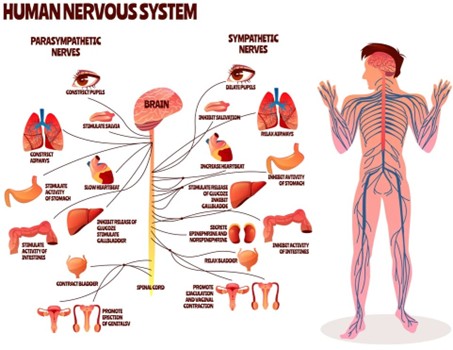
Our nervous system is composed of two parts: the sympathetic nervous system (SNS) and the parasympathetic nervous system (PNS).
The SNS is responsible for what we experience as stress and is activated by cortisol and norepinephrine.
The PNS is the opposite—it induces relaxation and recovery once stress has passed.
These two systems act in opposition, like yin and yang. When one is active, the other is suppressed.
During a stress response or anxiety attack, the SNS becomes active, resulting in many of the changes experienced, including:
In some people, SNS activation is exaggerated, causing significant bodily changes even with small shifts in the SNS/PNS balance. CBD may help thanks to its ability to directly stimulate the PNS (via GABA and related neurotransmitters).
Stage 4: Recovery
Once the stress has passed, the body needs to recover. In this phase, the hypothalamus stops secreting stress hormones, and cortisol is broken down by the liver.
As this happens, the balance between the SNS and PNS begins to shift.
We become more relaxed, brain activity slows, immune and digestive systems are reactivated, and blood glucose levels return to normal.
This is known as the “rest and digest” response.
People with anxiety often struggle with this phase. They become unable to fully relax. Clinically, these individuals are considered “SNS-dominant,” meaning the sympathetic branch of the nervous system is active most of the time.
CBD may be used to stimulate the PNS, helping shift the balance between the SNS and PNS.
CBD Scientific evidence
Research conducted in the early 1980s highlighted the difference in effects between the primary psychoactive cannabinoid THC and the main non-psychoactive cannabinoid CBD. Researchers reported that CBD was able to counteract the anxiety-inducing effects of THC.
A double-blind clinical study involving four different groups of 10 people required to speak in public measured the effects of three anxiolytic substances.
Prior to the event, participants were given 300 mg of CBD, 10 mg of diazepam, 5 mg of ipsapirone, or a placebo. The study revealed that the CBD and ipsapirone groups showed greater improvement in anxiety symptoms both before and immediately after the public speaking task.
Another study used functional neuroimaging to investigate how CBD influences anxiety in the brain. The results showed that CBD effectively managed anxiety symptoms in the treatment group.
Neuroimaging scans demonstrated reduced blood flow in the hippocampal and parahippocampal regions of the brain—both known to be heavily involved in anxiety attacks. Researchers suggested that CBD’s mechanism of action involved regulation of the brain’s endocannabinoid system.
CBD has also been shown to increase GABA activity in the brain, the primary neurotransmitter associated with reversing the stress and anxiety response. Many conventional anti-anxiety medications work through this same mechanism.

The term rheumatism is no longer used by medical professionals. However, it is still commonly used to describe symptoms of joint pain and inflammation.
In the past, rheumatism was synonymous with arthritis—a painful inflammatory disease affecting joint tissues throughout the body. The definition also included other connective tissue disorders, such as fibromyalgia, Lyme disease, and gout.
CBD may be an effective treatment for people with various forms of rheumatism and joint damage.
All forms of rheumatism involve pain and inflammation of the joints and connective tissues. The causes of pain and inflammation may vary.
What makes CBD particularly effective for rheumatism is that it offers broad-spectrum anti-inflammatory action, rather than targeting a single inflammatory pathway.
This is beneficial because it means we do not need to know exactly which inflammatory markers are causing the most problems.
CBD may be helpful for these conditions because it provides what is known as an immunomodulatory effect.
Instead of forcing the immune system into overactivity (as immunostimulants do) or suppressing it (as immunosuppressants do), CBD exerts a balancing effect. It stimulates the immune system when it is underactive and slows it down when it is overactive.
Rheumatism usually involves an overactive immune system, which leads to widespread inflammation and tissue damage in the joints.
The final CBD benefit we will discuss is its role in pain management. CBD is well known for its analgesic (pain-relieving) effects—exactly what people suffering from rheumatism are seeking.
This condition can be extremely painful, often leading individuals to rely on strong painkillers such as opioids and paracetamol to relieve symptoms.
The problem with these medications is that they can be addictive and are associated with a long list of negative side effects, including liver and kidney damage, sedation, and dependence.
Animal studies have shown that a daily dose of 6.2 mg of transdermal (topical) CBD provides a significant reduction in joint pain symptoms. Studies on orally administered CBD have shown similar benefits.
One study demonstrated that long-term treatment with CBD and THC for rheumatoid arthritis did not lead to the development of tolerance, meaning that the effective dose of CBD and THC did not increase over time.
This is an important finding because most conventional treatments for this condition eventually lead to tolerance, habituation, and potential dependence—especially painkillers.
One of the most common uses of CBD is the treatment of joint pain.
CBD is both anti-inflammatory and analgesic, and both properties are directly beneficial in the treatment of joint pain of various origins.
For joint pain treatment, both topical CBD products and ingestible forms can be used. For mild joint pain—such as that caused by minor sports injuries, mild osteoarthritis, or early-stage rheumatoid arthritis—topical CBD products may provide sufficient relief.
For more severe joint inflammation, it is best to combine the use of a topical CBD product with internal (oral) CBD supplementation.

Approximately 95% of women experience premenstrual syndrome. It may come as a pleasant surprise to learn that cannabidiol (CBD) can help relieve headaches, cramps, irritability, anxiety, insomnia, and other bothersome symptoms.
Of course, it is not a miracle cure, but research suggests that CBD can be effective.
One of the challenges with PMS is that it is extremely complex. Every woman (and every person) has slightly different hormone levels and a unique genetic makeup.
CBD Benefits for Premenstrual Syndrome and the menstrual cycle
Premenstrual syndrome involves a wide range of symptoms and is linked to fluctuations in two reproductive hormones: estrogen and progesterone.
Despite the close connection between the reproductive system and the endocannabinoid system (which we will discuss later), CBD does not appear to have many direct effects on these hormones.
That said, CBD may help manage symptoms in several key areas:
✅ CBD may help relieve anxiety symptoms
✅ CBD may provide support for mood disorders such as depression
✅ CBD has been shown to relieve pain
✅CBD may relax muscle tension that leads to cramps
✅CBD may promote better sleep
Since these symptoms are commonly associated with PMS, CBD may be useful in managing some of its most negative effects.
Cannabidiol and PMS: what research says
CBD exerts its effects indirectly. It targets a specific subsystem in the body, which then produces most of the pain-relieving, muscle-relaxing, and many other effects.
The intermediary CBD uses to reach these other bodily systems is called the endocannabinoid system (ECS): a neurotransmitter system that regulates everything from the reproductive cycle to brain activity.
Let’s look at some of the main ways CBD may help with PMS symptoms.
—
✅ Stress & anxiety
CBD is considered a non-allosteric modulator, a technical term suggesting that the compound works by indirectly inhibiting certain specific brain activities. The endocannabinoid system acts as an intermediary to prevent brain cells from firing excessively, thereby reducing signal transmission.
✅ Serotonin levels
Although PMS is too complex for a single therapy to serve as a cure-all, cannabidiol may be a good option for treating some serotonin-dependent symptoms.
Since serotonin levels are believed to be influenced by hormonal fluctuations during the luteal phase [3], cannabidiol’s interaction with serotonin receptors may help alleviate some symptoms associated with low serotonin levels [4]. In particular, depression and anxiety are two negative emotional side effects that may benefit from cannabidiol use.
✅ Pain transmission
Scientific studies have shown that cannabidiol may help relieve pain by blocking its signaling pathways.
Although current research focuses mainly on managing cancer-related pain or bone and joint conditions (such as osteoarthritis), it is reasonable to suggest that cannabidiol may also help relieve muscle pain associated with premenstrual syndrome [6].
The endocannabinoid system regulates both the central and peripheral nervous systems. Since pain is transmitted through these nerves, studies in rats have shown that cannabidiol administration helps reduce pain and inflammation.
✅ Inflammation
Inflammation associated with PMS may also respond to cannabidiol.
However, inflammation is a complex immunological process involving numerous chemical reactions, feedback loops, and various cells from both the innate and adaptive immune systems.
Further research—particularly double-blind studies on larger sample groups—is needed to determine whether the inflammation underlying PMS responds to the anti-inflammatory actions of cannabidiol [9, 10].
✅ Muscle cramps
Most research on CBD and muscle function focuses on treating spasticity in people with multiple sclerosis. Returning to the idea that CBD interacts with the endocannabinoid system and that muscles are controlled by nerves, it is reasonable to assume that CBD may help reduce muscle spasms.
Since the uterus experiences cramps and spasms before and during menstruation, CBD could theoretically help treat and reduce cramps.
There are many ways to treat mild to severe PMS, including medications, hormone therapy, acupuncture, heat packs, supplements, and more.
Recently, one of the newer options increasingly chosen by women is CBD.
There is limited scientific evidence supporting approaches such as acupuncture and herbal medicine, and much of the advice appears to be anecdotal. Even exercise, a commonly suggested way to relieve PMS symptoms, has shown inconsistent results when tested. Some groups experienced benefits, while others showed no significant reduction in discomfort.
Hormonal options involve taking estradiol and/or progesterone pills to better regulate hormonal fluctuations during the luteal phase. Some studies have shown this approach to be effective, while others have found no difference in symptom reduction [19, 20].
Although research on the use of cannabidiol for PMS symptoms still requires further investigation, we hope this overview has provided greater insight into the causes of premenstrual syndrome and how CBD may be used to help reduce its symptoms.
We know that CBD does not directly treat all aspects of PMS. However, with CBD use, some symptoms such as cramps, anxiety, and pain may be reduced to some extent.
Unlike other conditions, PMS symptoms and their severity can vary from month to month depending on stress levels and other life factors beyond our control, which may arise unexpectedly.
Therefore, while it may be impossible to completely eliminate PMS due to its close ties to fluctuating reproductive hormones, it is possible to target and manage individual symptoms one at a time.
Most research investigating the effects of CBD recommends starting with a low to moderate dose and then gradually increasing it until the desired effects are achieved. It is advisable to keep a weekly record of dosages, timing, and observed effects, and then assess the optimal amount based on the results obtained.
The amount of CBD should be individually tailored from person to person and may change over time. Several factors influence how CBD interacts with the body:
✅ Body weight
✅ Metabolism
✅ Lifestyle
✅ Medications
✅ Health condition
These factors vary greatly from one individual to another and also depend on sex and genetics. For this reason, it is difficult to make universal recommendations.
Each person therefore needs to find their own optimal dosage. However, some reference points can make this process easier. Based on the results of scientific studies and feedback from people who have used CBD, general dosage recommendations can be provided.
There are some general guidelines that can help you estimate your dose. However, it is important to always start with a lower dose than recommended and increase it gradually.
As mentioned earlier, everyone responds differently to CBD oil. This means you need to assess its effects on you personally, without relying on the experiences of others.
References
1. Hampson AJ, Grimaldi M, Axelrod J, Wink D. *Cannabidiol and (–)Delta-9-tetrahydrocannabinol are neuroprotective antioxidants.* Proc Natl Acad Sci USA. 1998;95(14):8268–73.
2. de Almeida Costa, C. A. R., Kohn, D. O., de Lima, V. M., Gargano, A. C., Flório, J. C., & Costa, M. (2011). *The GABAergic system contributes to the anxiolytic-like effect of essential oil from Cymbopogon citratus (lemongrass).* Journal of Ethnopharmacology, 137(1), 828–836.
3. Granger, R. E., Campbell, E. L., & Johnston, G. A. (2005). *(+)-And (−)-borneol: efficacious positive modulators of GABA action at human recombinant α1β2γ2L GABAA receptors.* Biochemical Pharmacology, 69(7), 1101–1111.
4. Consroe, P., Benedito, M. A., Leite, J. R., Carlini, E. A., & Mechoulam, R. (1982). *Effects of cannabidiol on behavioral seizures caused by convulsant drugs or current in mice.* European Journal of Pharmacology, 83(3–4), 293–298.
5. de Mello Schier, A. R., de Oliveira Ribeiro, N. P., Coutinho, D. S., Machado, S., Arias-Carrión, O., Crippa, J. A., … Silva, A. C. (2014). *Antidepressant-like and anxiolytic-like effects of cannabidiol: a chemical compound of Cannabis sativa.* CNS & Neurological Disorders – Drug Targets, 13(6), 953–960.
6. Murillo-Rodríguez, E., Millán-Aldaco, D., Palomero-Rivero, M., Mechoulam, R., & Drucker-Colín, R. (2006). *Cannabidiol, a constituent of Cannabis sativa, modulates sleep in rats.* FEBS Letters, 580(18), 4337–4345.
References
1. Watson, N. F., Badr, M. S., Belenky, G., Bliwise, D. L., Buxton, O. M., Buysse, D., … Tasali, E. (2015). *Recommended Amount of Sleep for a Healthy Adult: A Joint Consensus Statement of the American Academy of Sleep Medicine and Sleep Research Society.* Sleep, 38(6), 843–844. [https://doi.org/10.5665/sleep.4716](https://doi.org/10.5665/sleep.4716)
2. Murillo-Rodriguez, E., Pastrana-Trejo, J. C., Salas-Crisóstomo, M., & de-la-Cruz, M. (2017). *The Endocannabinoid System Modulating Levels of Consciousness, Emotions and Likely Dream Contents.* CNS & Neurological Disorders – Drug Targets, 16(4). [https://doi.org/10.2174/1871527316666170223161908]
3. Mendiguren, A., Aostri, E., & Pineda, J. (2018). *Regulation of noradrenergic and serotonergic systems by cannabinoids: relevance to cannabinoid-induced effects.* Life Sciences, 192, 115–127. [https://doi.org/10.1016/j.lfs.2017.11.029]
4. Crippa, J. A., Guimarães, F. S., Campos, A. C., & Zuardi, A. W. (2018). *Translational Investigation of the Therapeutic Potential of Cannabidiol (CBD): Toward a New Age.* Frontiers in Immunology, 9. [https://doi.org/10.3389/FIMMU.2018.02009]
5. Russo, E. B., Guy, G. W., & Robson, P. J. (2007). *Cannabis, pain, and sleep: Lessons from therapeutic clinical trials of Sativex®, a cannabis-based medicine.* Chemistry and Biodiversity. [https://doi.org/10.1002/cbdv.200790150]
6. Blessing, E. M., Steenkamp, M. M., Manzanares, J., & Marmar, C. R. (2015). *Cannabidiol as a Potential Treatment for Anxiety Disorders.* Neurotherapeutics. [https://doi.org/10.1007/s13311-015-0387-1]
7. Jetly, R., Heber, A., Fraser, G., & Boisvert, D. (2015). *The efficacy of nabilone, a synthetic cannabinoid, in the treatment of PTSD-associated nightmares.* Psychoneuroendocrinology, 51, 585–588. [https://doi.org/10.1016/j.psyneuen.2014.11.002]8. Babson, K. A., Sottile, J., & Morabito, D. (2017). *Cannabis, Cannabinoids, and Sleep: a Review of the Literature.* Current Psychiatry Reports, 19(4), 23. [https://doi.org/10.1007/s11920-017-0775-9]
9. Baron, E. P., Lucas, P., Eades, J., & Hogue, O. (2018). *Patterns of medicinal cannabis use, strain analysis, and substitution effect among patients with migraine, headache, arthritis, and chronic pain.* The Journal of Headache and Pain, 19(1), 37. [https://doi.org/10.1186/s10194-018-0862-2]
10. (2017). *WHO | Cannabidiol (compound of cannabis).* WHO. Retrieved from [http://www.who.int/features/qa/cannabidiol/en/]
References
1. Rubin, J. J. (2005). *Psychosomatic pain: new insights and management strategies.* Southern Medical Journal, 98(11), 1099–1111. [https://pubmed.ncbi.nlm.nih.gov/16351031/]
2. Russo, E. B. (2008). *Cannabinoids in the management of difficult to treat pain.* Therapeutics and Clinical Risk Management, 4(1), 245. [https://pubmed.ncbi.nlm.nih.gov/18728714/]
3. Johnson, J. R., Burnell-Nugent, M., Lossignol, D., Ganae-Motan, E. D., Potts, R., & Fallon, M. T. (2010). *Efficacy, safety, and tolerability of THC:CBD extract in cancer-related pain.* Journal of Pain and Symptom Management, 39(2), 167–179. [https://pubmed.ncbi.nlm.nih.gov/19896326/]
4. Russo, E. B., Guy, G. W., & Robson, P. J. (2007). *Cannabis, pain, and sleep: lessons from therapeutic clinical trials of Sativex®.* Chemistry & Biodiversity, 4(8), 1729–1743. [https://pubmed.ncbi.nlm.nih.gov/17712817/]
5. Ware, M. A., Wang, T., Shapiro, S., Robinson, A., Ducruet, T., Huynh, T., … Collet, J. P. (2010). *Smoked cannabis for chronic neuropathic pain: a randomized controlled trial.* CMAJ, 182(14), E694–E701. [https://www.ncbi.nlm.nih.gov/pmc/articles/PMC2950205/]
References
1. (2017). *Fibromyalgia.* CDC. [https://www.cdc.gov/arthritis/basics/fibromyalgia.htm]
2. (2019). *Fibromyalgia.* NHS. [https://www.nhs.uk/conditions/fibromyalgia/]
3. Walitt, B., et al. (2016). *Cannabinoids for fibromyalgia.* Cochrane Database Syst Rev. [https://pubmed.ncbi.nlm.nih.gov/27428009/]
4. Lu, H. C., & Mackie, K. (2016). *An Introduction to the Endogenous Cannabinoid System.* Biological Psychiatry, 79(7), 516–525.
5. Lafaye, G., et al. (2017). *Cannabis, cannabinoids, and health.* Dialogues Clin Neurosci, 19(3), 309–316.
6. Perucca, E. (2017). *Cannabinoids in the Treatment of Epilepsy.* Journal of Epilepsy Research, 7(2), 61–76.
7. Jiller, R. J., & Miller, R. E. (2017). *Is cannabis an effective treatment for joint pain?* Clin Exp Rheumatol.
8. Kozela, E., et al. (2017). *Modulation of Astrocyte Activity by Cannabidiol.* Int J Mol Sci, 18(8), 1669.
9. Shannon, S., et al. (2019). *Cannabidiol in Anxiety and Sleep.* The Permanente Journal, 23.
10. Campos, A. C., et al. (2017). *Neuroprotective mechanisms of cannabidiol.* Front Pharmacol, 8, 269.
11. Marum, A. P., et al. (2017). *FODMAP diet and fibromyalgia.* Nutrición Hospitalaria, 34(3), 667.
12. Martínez-Rodríguez, A., et al. (2018). *Diet and exercise in fibromyalgia.* Nutrición Hospitalaria, 35(2), 392–399.
13. Isasi, C., et al. (2014). *Fibromyalgia and non-celiac gluten sensitivity.* Rheumatology International, 34(11), 1607–1612.
14. Hurd, Y. L., et al. (2015). *Cannabidiol as a treatment for addiction.* Neurotherapeutics, 12(4), 807–815.
References
1. Zuardi, A. W., et al. (1993). *Effects of ipsapirone and cannabidiol on human experimental anxiety.* Journal of Psychopharmacology. [https://pubmed.ncbi.nlm.nih.gov/22290374/]
2. Banerjee, S. P., et al. (1975). *Cannabinoids and neurotransmitter uptake.* JPET. [https://jpet.aspetjournals.org/content/194/1/74]
3. Crippa, J. A. S., et al. (2011). *Neural basis of anxiolytic effects of cannabidiol.* Journal of Psychopharmacology. [https://pubmed.ncbi.nlm.nih.gov/20829306/]
4. Bakas, T., et al. (2017). *Direct actions of cannabidiol at GABAA receptors.* Pharmacological Research. [https://pubmed.ncbi.nlm.nih.gov/28249817/]
References
1. Hammell, D. C., et al. (2016). *Transdermal cannabidiol reduces inflammation and pain in arthritis.* European Journal of Pain. [https://www.ncbi.nlm.nih.gov/pmc/articles/PMC4851925/]
2. Malfait, A. M., et al. (2000). *Cannabidiol as an oral anti-arthritic therapeutic.* PNAS. [https://pubmed.ncbi.nlm.nih.gov/10920191/]
3. Philpott, H. T., et al. (2017). *Cannabidiol prevents pain and nerve damage in osteoarthritis.* Pain. [https://pubmed.ncbi.nlm.nih.gov/28885454/]
4. Burstein, S. (2015). *Cannabidiol and inflammation.* Bioorganic & Medicinal Chemistry. [https://pubmed.ncbi.nlm.nih.gov/25703248/]
References
1. Kwan, I., & Onwude, J. L. (2015). *Premenstrual syndrome.* BMJ Clinical Evidence.
2. Fernández-Ruiz, J., et al. (2013). *Cannabidiol for neurodegenerative disorders.* British Journal of Clinical Pharmacology. [https://pubmed.ncbi.nlm.nih.gov/22625422/]
3. Shah, N. R., et al. (2008). *SSRIs for PMS and PMDD.* Obstetrics & Gynecology.
4. National Academies of Sciences (2017). *The Health Effects of Cannabis and Cannabinoids.* [https://www.ncbi.nlm.nih.gov/books/NBK425762/]
5. Philpott, H. T., et al. (2017). *CBD and osteoarthritis pain.* Pain.
6. Blake, A., et al. (2017). *Medical cannabis in cancer pain.* Ann Palliat Med.
7. Häuser, W., et al. (2017). *Cannabinoids in pain management.* Deutsches Ärzteblatt.
8. Gold, E. B., et al. (2016). *Inflammation and PMS.* Journal of Women’s Health.
9. Pozzilli, C. (2014). *Overview of MS Spasticity.* European Neurology.
10. Hofmeister, S., & Bodden, S. (2016). *Premenstrual Syndrome and PMDD.* American Family Physician.
11. Bowen, R. (2018). *Gonadotropins.* [http://www.vivo.colostate.edu/hbooks/pathphys/endocrine/hypopit/lhfsh.html]