

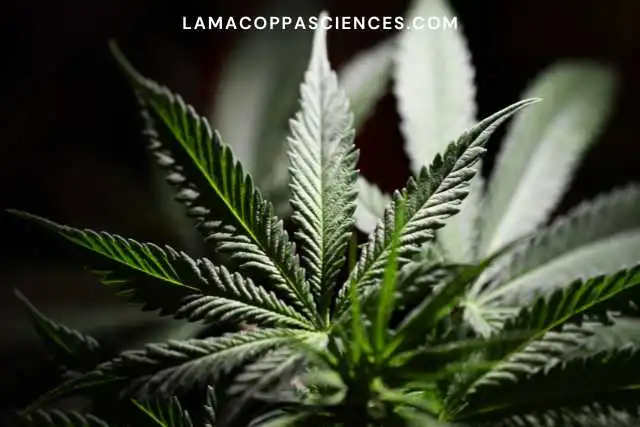
Weed leaf: Understanding 3 Leaf in Weed Plant
In the cannabis community, the appearance of a 3 leaf weed plant is a curious phenomenon that often raises questions. Known for their iconic 5 to 7-point leaf structure, cannabis plants rarely deviate from this norm, but when they do, it’s noticeable.
What Causes 3 Leaf in Weed Plants?
If you’ve ever observed your marijuana plant displaying 3 leaves and pondered the reason, you’re in good company. This occurrence can stem from a mix of genetics, age, environmental stress, and possible mutations. In most cases, a 3-leaf cannabis plant isn’t a cause for alarm and may correct itself as it matures.
Early Leaf Development in Cannabis
Its’ normal for young cannabis plants to produce leaves with three points. The first leaves, called cotyledons, and the initial sets are usually single or three-pointed. As the plant grows, it typically develops the familiar multi-point leaves.
However, when mature plants start showing 3-point leaves, it signals something worth investigating. This can be because of genetic traits or environmental stressors. Some plants genetically predispose to have 3 point leaves throughout their life, even in optimal conditions. This trait, while uncommon, does not generally indicate a problem and can be unique to certain strains or phenotypes.
Environmental Stress Factors
When a plant that usually has multi-point leaves begins to grow 3-point leaves, it may indicate stress. Common stressors include:
- Nutrient imbalances
- Temperature fluctuations
- Lighting inconsistencies
- Overwatering or underwatering
- pH imbalances in the soil
These factors can disrupt the normal growth patterns of cannabis plants, leading to the development of 3-leaf plants.
Typical Cannabis Leaf Structure
Healthy cannabis sativa leaves are usually vibrant green, with the number of points ranging from 5 to 9, depending on the strain. They should be firm and resilient, contributing to a bushy plant with lush foliage and a strong stem. Healthy leaves ensure the plant can produce more energy, leading to higher yields.
Types of Cannabis Leaves
Cannabis plants exhibit a remarkable diversity in their leaf structures, which can reveal a lot about their genetic lineage and characteristics. The three primary types of cannabis plants—Sativa, Indica, and Ruderalis—each have distinct leaf structures.
Sativa Leaves
Sativa leaves are one of the distinct types of cannabis leaves, characterized by their unique features and growth patterns. Here are some key aspects:
- Leaf Structure: Sativa leaves typically have a long, narrow structure with more fingers (lobes) than indica leaves. They can have up to 13 fingers, though 9 is common.
- Color: These leaves are usually a lighter shade of green compared to indica leaves.
- Growth Environment: Sativa plants thrive in warmer climates with longer growing seasons. They are commonly found in regions near the equator.
- Plant Size: Sativa plants tend to grow taller and can reach heights of up to 20 feet. They have a more sparse and open foliage structure.
- Usage: Sativa strains are often preferred for their uplifting and energizing effects, making them popular for daytime use.
Indica Leaves
Cannabis Indica, renowned for its relaxing and body-focused effects, showcases a distinctive leaf structure that sets it apart from other cannabis species. Let’s delve deeper into the unique characteristics of Indica leaves and what they signify.
Characteristics of Indica Leaves
Broad and Full Form
Indica leaves are known for their broad, full form, resembling large, fan-like structures. This wide shape is in stark contrast to the slender leaves of the Sativa species. The leaves’ broadness is a visual representation of the plant’s overall robust and stocky nature.
Rich Dark Green Color
The leaves of Indica plants typically exhibit a rich, dark green hue, often deeper in color than their Sativa counterparts. This darker shade is not only a visual identifier but also indicates the plant’s health and vigor.
Fewer Leaf Points
Indica leaves usually have fewer points compared to Sativa leaves, typically ranging from 5 to 9 points. These points are broader and chunkier, contributing to the leaf’s compact and dense appearance. This fewer-pointed structure is a key identifying feature of Indica leaves.
Adapted to Cooler Climates
Indica plants are naturally adapted to cooler climates, and their leaf structure reflects this adaptation. The broad leaves help the plant to maximize light absorption in environments where sunlight may be less intense. This adaptation makes Indica strains particularly suitable for growing in regions with shorter growing seasons and cooler temperatures.
Indica Leaf Traits and Plant Characteristics
The leaf structure of Indica plants mirrors their overall growth traits. Indica plants are generally shorter and bushier compared to the taller and more slender Sativa plants. This compact growth habit makes them well-suited for indoor cultivation, where space might be limited.
Recognizing Stress and Abnormalities in Indica Leaves
While the broad and dark green leaves are typical of healthy Indica plants, it’s crucial to monitor for any signs of stress or abnormalities. Discoloration, unusual curling, or the development of 3 point leaves in mature plants can indicate underlying issues such as nutrient imbalances, watering problems, or environmental stress.
Indica leaves are a distinctive hallmark of the Cannabis Indica species, with their broad, full form, rich dark green color, and fewer leaf points. Understanding these characteristics can help cultivators identify and care for Indica plants more effectively, ensuring optimal growth and potent yields. Whether you’re growing for medicinal use or personal enjoyment, appreciating the unique traits of Indica leaves is an essential part of cannabis cultivation.
Ruderalis Cannabis Leaves
Cannabis Ruderalis, a lesser-known member of the cannabis family, possesses unique leaf characteristics that distinguish it from its more famous relatives, Sativa and Indica. Let’s delve into the distinctive traits of Ruderalis leaves and their significance.
Characteristics of Ruderalis Leaves
Intermediate Form and Size
Ruderalis leaves exhibit a blend of traits from both Sativa and Indica species. They are typically smaller in size, not as elongated as Sativa leaves, nor as broad as Indica leaves. This intermediate form reflects the plant’s adaptive evolution.
Fewer Leaf Points
Ruderalis plants generally have fewer leaf points compared to Sativa and Indica varieties. The leaves often display between 3 to 7 points, which are shorter and less distinct. This characteristic helps in identifying Ruderalis plants in mixed cultivation.
Deep Forest-Green Hue
The color of Ruderalis leaves is usually a deep forest green. This rich hue indicates a healthy plant and is a key identifier for recognizing Ruderalis among other cannabis species.
Adapted to Harsh Climates
Ruderalis plants are naturally adapted to survive in harsh climates, particularly in regions with extreme temperature variations and shorter daylight hours. Their leaf structure supports their resilience, allowing them to thrive where other cannabis plants might struggle.
Auto-Flowering Characteristic
One of the most remarkable features of Ruderalis plants is their auto-flowering ability. Unlike Sativa and Indica, which depend on light cycles to initiate flowering, Ruderalis begins to flower based on its age. This trait is highly valued in breeding programs to create auto-flowering hybrids.
Ruderalis Leaf Traits and Plant Characteristics
The leaf structure of Ruderalis is closely tied to its overall plant characteristics. Ruderalis plants tend to be smaller and more compact, making them less noticeable in the wild and better suited to rough environments. This compact size and resilience are reflected in their sturdy, functional leaves.
Recognizing Stress and Abnormalities in Ruderalis Leaves
While Ruderalis leaves are adapted to withstand environmental stress, they can still exhibit signs of issues. Discoloration, spotting, or unusual curling might indicate problems such as nutrient deficiencies, pests, or disease. Regular monitoring ensures healthy growth and optimal plant health.
Cannabis Ruderalis leaves are distinct with their intermediate size, fewer leaf points, and deep forest-green color. These leaves reflect the plant’s resilience and adaptability to harsh climates and shorter growing seasons. Understanding the unique traits of Ruderalis leaves aids cultivators in identifying and nurturing this robust species, whether for its auto-flowering capability or its hardiness in challenging environments. Recognizing the specific needs and characteristics of Ruderalis can enhance cultivation practices and improve overall plant health and yield.
How to Prevent three leaf weed plant
The journey of cultivating cannabis is filled with learning opportunities, and encountering a 3 leaf weed plant is one such instance. Although fascinating, the majority of cultivators favor the conventional multi-leaf structure for their marijuana plants. Here’s how you can prevent your plants from developing 3 leaf structures.
Understanding the Cause
The appearance of 3 leaf cannabis plants can be due to genetic traits or environmental stress. If it’s genetic, there’s little you can do to prevent it. However, if it’s a stress response, implementing proper cultivation practices can help minimize this occurrence.
Key Preventative Measures
1. Nutrient Management
- Balanced Nutrition: Ensure your plants receive a balanced supply of essential nutrients. Abnormal growth of leaves can be caused by both shortages and surpluses.
- Soil Testing: Regularly test your soil to monitor nutrient levels and adjust as necessary. Use high-quality fertilizers that match the growth stage of your plants.
2. Maintaining pH Balance
Optimal pH Levels: Cannabis prefers a slightly acidic environment. Aim for a soil pH between 6.0 and 7.0, and for hydroponic systems, keep the pH between 5.5 and 6.5.
pH Monitoring: Use pH meters or test kits to regularly check the pH levels of your growing medium. Adjust with pH up or down solutions as needed.
3. Proper Lighting
Consistent Light: Ensure your plants receive consistent and adequate light. Inconsistent lighting can stress the plants and lead to abnormal leaf formations.
Light Cycles: Follow the appropriate light cycles for the growth stage of your plants. Typically, 18 hours of light and 6 hours of darkness during the vegetative stage, and 12 hours of light and 12 hours of darkness during the flowering stage.
4. Watering Practices
Balanced Watering: Both overwatering and underwatering can stress cannabis plants. Water your plants consistently to keep the soil or growing medium moist but not waterlogged.
Drainage: Ensure your pots or growing systems have proper drainage to prevent root rot and water stress.
5. Temperature and Humidity Control
Optimal Conditions: Maintain temperatures between 70-85°F (20-30°C) during the day and slightly cooler at night. Keep humidity levels around 40-60% during the vegetative stage and 40-50% during the flowering stage.
Monitoring: Use thermometers and hygrometers to regularly monitor and adjust temperature and humidity levels in your grow space.
6. Consistent Supervision
Examine Plants: Consistently scrutinize your plants for indications of strain, illness, or infestations.
Early detection and intervention can prevent the development of 3-leaf structures.
Healthy Environment: Maintain a clean and healthy growing environment to reduce the risk of stress and disease.
7. Strain Selection
Genetic Considerations: If you notice consistent 3-leaf patterns across different growing conditions, it might be a genetic trait of that particular strain. Consider switching to strains known for their conventional leaf structure.
Research and Selection: Choose strains with stable genetics from reputable breeders to ensure uniform growth patterns.
Preventing the development of 3 leaf weed plants involves understanding the causes and implementing best practices in cannabis cultivation. By managing nutrients, maintaining optimal pH levels, providing consistent lighting, practicing balanced watering, controlling temperature and humidity, regularly monitoring plants, and selecting the right strains, you can ensure your cannabis plants grow healthy with the desired multi-point leaves. Proper care and attention to detail will help you achieve the best results in your cannabis cultivation journey.
Healthy cannabis leaves are essential for the overall health and productivity of the cannabis plant.
What Are Indica Strains?
Indica strains are one of the primary categories of cannabis, known for their distinct physical characteristics, growth patterns, and effects. They are particularly valued for their calming and sedative properties. Let’s delve into what makes Indica strains unique and why they are favored by many cannabis users.
Origin and Genetics
Indica strains originate from the mountainous regions of Central Asia, particularly the Hindu Kush range, which spans Afghanistan, Pakistan, and India. These harsh environments shaped the Indica plants to be hardy and resilient, traits that are carried through in their genetics.
Physical Characteristics
- Plant Structure: Indica plants are typically short and bushy, with a dense structure. They usually grow between 2-4 feet tall, making them suitable for indoor cultivation.
- Leaf Structure: The leaves of Indica plants are broad and wide, with a deep green color. They are often more robust and substantial compared to the slender leaves of Sativa plants.
- Bud Appearance: Indica buds are usually dense, compact, and heavy. They often have a thick coating of resin, which makes them sticky to the touch.
Growth and Cultivation
- Growing Conditions: Indica plants are well-suited to cooler climates and can thrive in shorter growing seasons. Their hardy nature allows them to withstand environmental stresses better than some other cannabis types.
- Flowering Time: Indica strains typically have a shorter flowering period, usually around 6-9 weeks. This makes them a popular choice for growers looking for a quicker harvest.
- Yield: Due to their dense structure, Indica plants often produce higher yields per plant compared to Sativa varieties.
Effects and Uses
- Sedative Effects: Indica strains are known for their relaxing and sedative effects. They are often described as producing a “body high” that can help with relaxation and sleep.
- Medical Benefits: Indica strains are frequently used for their medicinal properties. They are effective in treating conditions such as:
- Insomnia
- Chronic pain
- Anxiety
- Muscle spasms
- Inflammation
- Appetite loss
- Recreational Use: For recreational users, Indica strains are ideal for evening or nighttime use due to their calming effects. They can be a great choice for unwinding after a long day or for socializing in a relaxed setting.
Popular strains of cannabis Indica Strains
Some well-known Indica strains include:
Northern Lights: Renowned for its fast flowering time and potent effects, Northern Lights is a classic Indica strain with sweet and spicy flavors.
Granddaddy Purple: Known for its deep purple hues and grape-like flavor, this strain is popular for its powerful relaxing effects.
Bubba Kush: This strain is famous for its heavy tranquilizing effects and sweet, earthy flavor.
Hindu Kush: A pure Indica strain from the mountainous region, it offers a deeply relaxing effect and earthy, woody flavors.
Purple Kush
- Origin: A cross between Hindu Kush and Purple Afghani.
- Characteristics: Known for its vibrant purple color and dense, resinous buds.
- Flavor/Aroma: Sweet, earthy, and grape-like.
- Effects: Provides deep physical relaxation and stress relief, often leading to sleepiness. Ideal for pain management and insomnia.
Blueberry
- Origin: A classic strain developed in the 1970s by crossing Afghani, Thai, and Purple Thai.
- Characteristics: Notable for its fruity flavor and blueish-hued buds.
- Flavor/Aroma: Sweet, fruity, and blueberry-like.
- Effects: Produces a long-lasting, euphoric high combined with a deeply relaxing body sensation. Good for stress relief and chronic pain.
Grape Ape
- Origin: A cross between Mendocino Purps, Skunk, and Afghani.
- Characteristics: Dense, compact buds with deep purple hues.
- Flavor/Aroma: Sweet, fruity, and grape-like.
- Effects: Known for its calming effects, making it great for relaxation and sleep. Effective for anxiety, pain, and muscle spasms.
Critical Mass
- Origin: A cross between Afghani and Skunk #1.
- Characteristics: Large, dense buds that are prone to breaking branches due to their weight.
- Flavor/Aroma: Sweet and earthy with a hint of citrus.
- Effects: Offers a powerful relaxing body high, helpful for treating pain, insomnia, and stress. Known for its high yield in cultivation.
LA Confidential
- Origin: A cross between OG LA Affie and an Afghani Indica.
- Characteristics: Dense buds covered in resin with a compact structure.
- Flavor/Aroma: Piney, earthy, and skunky.
- Effects: Provides a strong, calming body high with mild psychedelic effects. Ideal for pain relief, insomnia, and anxiety.
Northern Lights
- Origin: A blend of Afghani and Thai landrace strains.
- Characteristics: Compact, resinous buds with a frosty appearance.
- Flavor/Aroma: Sweet, spicy, and piney.
- Effects: Offers a euphoric and deeply relaxing body high. Used for stress, pain, and sleep disorders.
Afghan Kush
- Origin: Pure Indica strain from the Hindu Kush mountain range.
- Characteristics: Dense, resin-coated buds with a robust structure.
- Flavor/Aroma: Earthy, piney, and spicy.
- Effects: Provides a heavy, sedative body high. Excellent for pain relief, insomnia, and appetite stimulation.
Bubba Kush
- Origin: A cross between OG Kush and an unknown Northern Lights phenotype.
- Characteristics: Large, dense buds with a dark green and purple hue.
- Flavor/Aroma: Sweet, earthy, and coffee-like.
- Effects: Known for its strong, tranquilizing effects. Great for relaxation, sleep, and pain management.
God’s Gift
- Origin: A cross between Granddaddy Purple and OG Kush.
- Characteristics: Dense buds with purple hues and a generous coating of trichomes.
- Flavor/Aroma: Sweet, berry, and citrus.
- Effects: Offers a potent, euphoric high with deep relaxation. Effective for stress, pain, and insomnia.
Skywalker OG
- Origin: A cross between Skywalker and OG Kush.
- Characteristics: Dense buds with a high resin content.
- Flavor/Aroma: Earthy, spicy, and citrusy.
- Effects: Provides a strong body high with sedative effects. Ideal for evening use, helping with pain, stress, and sleep issues.
Indica strains are a cornerstone of the cannabis world, celebrated for their robust growth, high yields, and potent sedative effects. Whether used for medicinal purposes or for relaxation, Indica strains provide a powerful and soothing experience. Understanding the unique characteristics of Indica strains can help users and growers make informed choices to suit their specific needs and preferences.
What Are Sativa Strains?
Sativa strains represent one of the primary categories of cannabis, recognized for their uplifting and energizing effects. They have distinct physical characteristics and growth patterns that set them apart from Indica strains. Let’s explore what makes Sativa strains unique and why they are favored by many cannabis enthusiasts.
Origin and Genetics
Sativa strains are native to equatorial regions of the world, including parts of Central America, South America, Southeast Asia, and Africa. These warm, tropical climates have influenced the growth and characteristics of Sativa plants.
Physical Characteristics
- Plant Structure: Sativa plants are tall and lanky, often reaching heights of 10-12 feet or more. Their elongated structure makes them suitable for outdoor cultivation, although they can be grown indoors with adequate space.
- Leaf Structure: The leaves of Sativa plants are long, thin, and finger-like. They are typically lighter green compared to Indica leaves, with a more delicate appearance.
- Bud Appearance: Sativa buds are usually less dense than Indica buds, often appearing fluffy and airy. They can be larger but less compact.
Growth and Cultivation
- Growing Conditions: Sativa plants thrive in warm, tropical climates with long growing seasons. They are less tolerant of cold and require more light.
- Flowering Time: Sativa strains have a longer flowering period, typically ranging from 10 to 16 weeks. This extended cycle can be challenging for some growers but is necessary to achieve full maturation.
- Yield: While Sativa plants can produce significant yields, their less dense bud structure means they often yield less per square foot compared to Indica strains.
Effects and Uses
- Energizing Effects: Sativa strains are known for their uplifting and cerebral effects. They produce a “head high” that can enhance creativity, focus, and sociability.
- Medical Benefits: Sativa strains are often used to treat conditions such as:
- Depression
- Chronic fatigue
- Mood disorders
- ADD/ADHD
- Glaucoma
- Lack of appetite
- Recreational Use: Sativa strains are ideal for daytime use due to their stimulating effects. They are popular for activities that require physical activity, creativity, or social interaction.
Popular Sativa Strains
Some well-known Sativa strains include:
Sour Diesel: Known for its pungent diesel-like aroma, Sour Diesel offers invigorating and energizing effects, making it popular for stress relief and mood elevation.
Jack Herer: Named after the cannabis activist, this strain is praised for its clear-headed and creative high, coupled with a spicy, pine-scented flavor.
Green Crack: Despite its controversial name, Green Crack is beloved for its sharp focus and burst of energy, with a tangy, fruity flavor.
Durban Poison: A pure Sativa strain from South Africa, Durban Poison is known for its sweet smell and uplifting, energetic effects.
Super Silver Haze
- Origin: A cross between Skunk, Northern Lights, and Haze.
- Characteristics: Tall plants with dense, resinous buds.
- Flavor/Aroma: Earthy, citrusy, and spicy.
- Effects: Known for its long-lasting, energetic high that promotes creativity and sociability. Effective for stress relief, depression, and fatigue.
Strawberry Cough
- Origin: A cross between Strawberry Fields and Haze.
- Characteristics: Medium-sized plants with dense buds covered in red hairs.
- Flavor/Aroma: Sweet, fruity, and strawberry-like.
- Effects: Offers an uplifting and euphoric high, often accompanied by a sense of calm. Great for alleviating anxiety and stress.
Maui Wowie
- Origin: Originated in Hawaii, developed from Hawaiian Sativa.
- Characteristics: Tall plants with light green buds and orange hairs.
- Flavor/Aroma: Sweet, pineapple, and tropical fruit.
- Effects: Provides a happy, energetic high that’s perfect for enhancing mood and creativity. Effective for depression and stress relief.
Green Crack
- Origin: A cross between Skunk #1 and an Afghani landrace.
- Characteristics: Tall plants with dense, bright green buds.
- Flavor/Aroma: Citrus, mango, and earthy.
- Effects: Known for its sharp focus and invigorating mental buzz. Excellent for daytime use, combating fatigue, and depression.
Jack Herer
- Origin: A cross between Haze, Northern Lights #5, and Shiva Skunk.
- Characteristics: Tall plants with dense, sticky buds.
- Flavor/Aroma: Spicy, pine, and earthy.
- Effects: Offers a clear-headed, creative high that’s ideal for focus and productivity. Used for stress relief and depression.
Sour Diesel
- Origin: A cross between Chemdawg, Northern Lights, and a Skunk phenotype.
- Characteristics: Tall plants with dense, fuel-scented buds.
- Flavor/Aroma: Diesel, citrus, and herbal.
- Effects: Produces a fast-acting, energizing high that promotes creativity and sociability. Effective for stress, pain, and depression.
Durban Poison
- Origin: Pure Sativa strain from South Africa.
- Characteristics: Tall plants with large, resinous buds.
- Flavor/Aroma: Sweet, piney, and earthy.
- Effects: Offers a clear, focused high that’s great for productivity and creativity. Helps with stress, anxiety, and fatigue.
Amnesia Haze
- Origin: A cross between Jamaican and South Asian landrace strains.
- Characteristics: Tall plants with dense, light green buds.
- Flavor/Aroma: Citrus, lemon, and earthy.
- Effects: Provides a powerful, euphoric high that stimulates creativity and sociability. Used for stress relief and depression.
Lemon Haze
- Origin: A cross between Lemon Skunk and Silver Haze.
- Characteristics: Medium-sized plants with light green buds and yellow hairs.
- Flavor/Aroma: Lemon, citrus, and sweet.
- Effects: Known for its energetic and uplifting high. Great for mood enhancement and creativity, as well as relieving stress and depression.
Panama Red
- Origin: Pure Sativa strain from Panama.
- Characteristics: Tall plants with long, thin buds.
- Flavor/Aroma: Earthy, woody, and spicy.
- Effects: Offers a mellow, yet uplifting high that enhances creativity and focus. Ideal for combating stress and fatigue.
Chocolope
- Origin: A cross between Chocolate Thai and Cannalope Haze.
- Characteristics: Tall plants with large, dense buds.
- Flavor/Aroma: Chocolate, coffee, and earthy.
- Effects: Provides an uplifting, energetic high that’s perfect for daytime use. Helps with depression, stress, and fatigue.
Tangie
- Origin: A cross between California Orange and Skunk.
- Characteristics: Tall plants with dense, orange-hued buds.
- Flavor/Aroma: Citrus, orange, and sweet.
- Effects: Known for its euphoric, uplifting effects that enhance mood and creativity. Great for stress relief and depression.
Latest Popular Sativa Strains of 2024
Here are some of the latest and most popular Sativa strains for 2024, known for their unique effects and flavors:
Hawaiian Snowcone
- Genetics: Cross of Z and Lemon Cherry Gelato with Hawaiian Plushers.
- Characteristics: Known for its sweet, tropical flavors and a high tetrahydrocannabinol THC content (25%+). This strain is gaining popularity due to its strong euphoric and energizing effects, making it a favorite for daytime use.
- Uses: Ideal for stress relief, enhancing creativity, and socializing
Cereal Milk
- Genetics: Y Life (Girl Scout Cookies x Cherry Pie) x Snowman.
- Characteristics: This 60% Sativa-dominant strain features flavors of blueberry and vanilla, with a tetrahydrocannabinol THC content around 23%. It’s known for its balanced growth and relatively short flowering time of 8-10 weeks.
- Uses: Offers a cerebral high, promoting creativity and focus, perfect for users seeking a productive daytime strain
Shining Silver Haze
- Genetics: Haze x (Skunk x Northern Light).
- Characteristics: A highly sought-after Sativa with a THC level of 21%. It provides an instant, euphoric high and is well-suited for both indoor and outdoor cultivation.
- Uses: Great for users looking for a heavy, uplifting high that boosts creativity and mood
Mother Gorilla
- Genetics: Gorilla Glue 4 x Reina Madre.
- Characteristics: This 70% Sativa strain has a high THC content of 25%. It’s known for its fast flowering time and potent effects.
- Uses: Perfect for experienced users seeking a strong cerebral high and mental clarity, ideal for creative projects and social activities
Strawberry Shortcake
- Genetics: Juliet x Strawberry Diesel.
- Characteristics: This strain offers flavors of fresh strawberries with earthy undertones and THC levels between 18%-23%.
- Uses: Provides an uplifting, social high that enhances focus and creativity, making it a good choice for daytime use
Green Goblin
- Genetics: Skunk #1 x Northern Lights.
- Characteristics: With a THC content of around 24%, this 65% Sativa strain is known for its sweet and earthy flavor. It delivers a powerful cerebral high.
- Uses: Promotes a euphoric and energetic high, excellent for creative activities and socializing
These strains are among the top picks for 2024, each offering unique benefits for different preferences and needs. Whether you’re looking for a burst of energy, enhanced creativity, or a social buzz, these Sativa strains provide a variety of options to explore.
Sativa strains are a vital part of the cannabis spectrum, offering unique benefits with their uplifting and energizing effects. They are characterized by their tall, lanky structure, long flowering time, and light, airy buds. Ideal for daytime use, Sativa strains can help with mood elevation, focus, and creativity, making them a favorite among those seeking mental stimulation and an energetic boost. Whether used for medical purposes or recreational enjoyment, understanding the unique traits of Sativa strains can help users and growers select the right variety to meet their needs.
Difference between Sativa and Indica
Indica vs. Sativa vs. Hybrid: Understanding the Differences
Cannabis plants are broadly categorized into three types: Indica, Sativa, and Hybrid. Each type has distinct characteristics that affect their growth, appearance, and the effects they produce. Let’s explore the differences between Indica, Sativa, and Hybrid cannabis plants.
Indica
Characteristics
Appearance: Indica plants are generally short and bushy with wide, broad leaves. They typically grow to a height of 2-4 feet.
Climate: Adapted to cooler climates with shorter growing seasons. Originally from regions like Afghanistan, Pakistan, and the Himalayas.
Growth Cycle: Faster flowering time, usually 6-9 weeks.
Yields: Often produce higher yields due to their dense structure.
Effects
Physical Effects: Known for their relaxing, sedative effects, making them ideal for evening or nighttime use.
Medical cannabis Benefits: Often used to alleviate insomnia, pain, and anxiety. Helps with muscle relaxation and appetite stimulation.
THC/CBD Content: Typically higher in cannabidiol CBD compared to Sativa, contributing to the calming effect
Sativa
Characteristics
Appearance: Sativa plants are tall and thin with narrow leaves. They can grow up to 12 feet or more.
Climate: Thrive in warmer climates with longer growing seasons. Native to regions like Central America, South America, and Southeast Asia.
Growth Cycle: Longer flowering time, usually 10-16 weeks.
Yields: Generally produce lower yields compared to Indica because to their airy, less dense structure.
Effects
Mental Effects: Known for their uplifting, energizing effects, making them suitable for daytime use.
Medical cannabis Benefits: Often used to treat depression, fatigue, and mood disorders. Enhances creativity and focus.
THC/CBD Content: Typically higher amount of THC compared to Indica, leading to more pronounced cerebral effects.
What does hybrid weed do
Hybrid weed, which is a combination of both sativa and indica strains, offers a mix of effects from both types of cannabis. The exact effects of hybrid weed can vary widely depending on the specific strain and its genetic composition.
Characteristics
Appearance: Varies widely depending on the parent strains. Hybrids can exhibit traits from both Indica and Sativa plants.
Climate: Adaptable to various growing conditions, thanks to their mixed genetics.
Growth Cycle: Flowering time and yields can vary widely based on the hybrid’s dominant traits.
Yields: Can be optimized for higher yields by selecting desirable traits from parent strains.
Versatility: Because hybrids can be tailored to produce specific effects, they can be used for a wide range of purposes, from pain relief to relaxation to increased creativity and focus.
Some hybrids are sativa-dominant, meaning they have more of the energizing and uplifting effects of sativa strains. Others are indica-dominant, providing more of the relaxing and sedative effects typical of indica strains.
Effects
Balanced Effects: Hybrids are often bred to combine the best qualities of both sativa and indica strains. This can result in a balanced high that offers both mental and physical effects.
Medical Benefits: Hybrid strains are often used for their therapeutic properties. Versatile for treating a wide range of medical conditions. The effects can be tailored to meet specific needs, such as pain relief with mental clarity or relaxation with an energy boost. They can help with conditions such as chronic pain, anxiety, depression, and insomnia, depending on their specific characteristics.
THC/CBD Content: Can vary significantly, with some hybrids bred for high THC content, others for high CBD content, or a balanced ratio of both.
Euphoria and Relaxation: Many hybrids are designed to provide a euphoric feeling combined with relaxation. This can make them ideal for social situations or unwinding after a long day.
Creative Stimulation: Some hybrids are bred to enhance creativity and focus, making them popular choices for artists, writers, and professionals seeking a mental boost.
Physical Relief: Indica-dominant hybrids can offer significant physical relief, which can be beneficial for those dealing with pain, muscle spasms, or other physical ailments.
Overall, hybrid weed provides a versatile option that can be tailored to suit a wide variety of needs and preferences, offering the combined benefits of both sativa and indica strains.
Choosing the Right Type
For Relaxation and Sleep: Indica strains are often preferred for their calming and sedative properties.
For Energy and Creativity: Sativa strains are ideal for daytime use due to their uplifting and energizing effects.
For Versatility: Hybrids offer a combination of effects and can be tailored to meet specific preferences and medical needs.
Understanding the differences between Indica, Sativa, and Hybrid cannabis plants helps in selecting the right strain for your needs. Indica provides relaxation and physical relief, Sativa offers energy and mental stimulation, and Hybrids bring a balanced blend of effects. Whether you’re growing cannabis or using it for medical or recreational purposes, knowing these differences ensures you make informed choices to achieve the desired outcomes.
For more information, visit our Lamacoppa Leaf Sciences Blog.
Buy CBD products on our Hemp Store.
CBD FAQ – Frequently asked questions about CBD